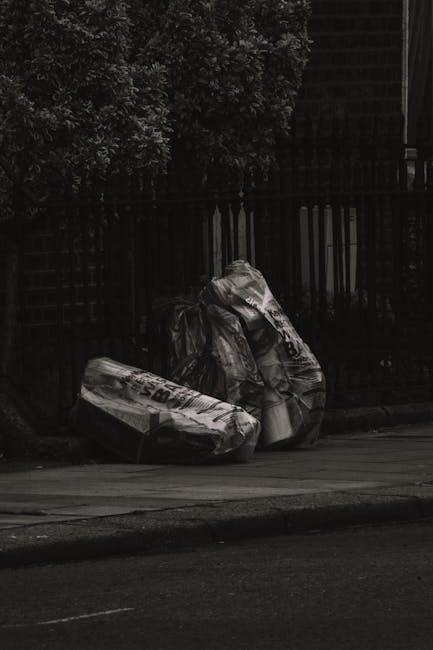
Hurst Green household rubbish recycling and disposal tips
If you live in Hurst Green, household rubbish can build up in a way that feels oddly fast. One week it's a few flattened boxes and a broken chair; the next, you're staring at a pile of mixed bags, old kitchen bits, and garden waste wondering where on earth it all goes. These Hurst Green household rubbish recycling and disposal tips are designed to make that easier, safer, and far less frustrating.
The aim here is simple: help you sort what can be recycled, what needs careful disposal, and what is better handled through a proper removal service or a dedicated collection route. You'll also get practical steps, common mistakes to avoid, and a realistic way to approach bigger clear-outs without turning the whole thing into a weekend disaster. Because let's face it, rubbish is never just rubbish when it's sitting in your hallway.
Table of Contents
- Why Hurst Green household rubbish recycling and disposal tips Matters
- How Hurst Green household rubbish recycling and disposal tips Works
- Key Benefits and Practical Advantages
- Who This Is For and When It Makes Sense
- Step-by-Step Guidance
- Expert Tips for Better Results
- Common Mistakes to Avoid
- Tools, Resources and Recommendations
- Law, Compliance, Standards, or Best Practice
- Options, Methods, or Comparison Table
- Case Study or Real-World Example
- Practical Checklist
- Conclusion
- Frequently Asked Questions
Why Hurst Green household rubbish recycling and disposal tips Matters
Good rubbish habits save time, reduce mess, and make your home feel more manageable. That sounds obvious, but in practice it often gets overlooked until bags are overflowing or a recycling box has become a mystery mix of food, plastics, and packaging. The right approach helps you separate materials properly, reduce contamination, and avoid having to re-sort everything later.
In Hurst Green, as in many local communities, the basic challenge is the same: household waste is a mix of ordinary daily items and the awkward leftovers that need more thought. Food packaging, cardboard, glass, small electricals, textiles, broken furniture, garden clippings, and the occasional "why did we keep this?" object all need different treatment. If you handle them in one rush at the end of the week, you'll usually make more work for yourself.
There's also the practical side of safety. Mixed rubbish can include sharp edges, old batteries, leaking containers, or heavy items that are awkward to lift. A tidy, planned approach reduces the chance of injury and makes the whole job less of a slog. To be fair, no one enjoys sorting damp bin bags at 8am in the rain.
For larger clear-outs, it can make sense to think beyond the wheelie bin. Services such as waste removal or a broader home clearance can be a practical option when you have bulky, mixed, or time-sensitive household waste that does not fit normal routines.
How Hurst Green household rubbish recycling and disposal tips Works
The simplest way to understand rubbish recycling and disposal is to split it into a few practical streams. Most homes generate a repeating pattern of waste: recyclable packaging, general rubbish, food waste, garden waste, and occasional special items like old appliances or worn furniture. The trick is to handle each stream as early as possible, instead of waiting until everything has become one sad-looking pile.
Start with a sort. Put similar items together before you bag anything. Cardboard with cardboard. Glass with glass. Soft plastics with soft plastics only if your local collection accepts them. Mixed materials like blister packs, greasy takeaway containers, and composite packaging usually need extra attention because they are where contamination sneaks in.
Then think in terms of destination. Some items can go straight into household recycling, some belong in residual waste, and some should be taken to a specialist route. For example, an old mattress needs different handling from a stack of newspapers, and a fridge is a completely different story again. If you need help with those larger, more awkward items, pages such as mattress and sofa disposal and fridge and appliance removal are more appropriate than treating them like ordinary rubbish.
Household disposal works best when you build a habit around three questions: Can it be recycled? Does it need special handling? Is it too bulky, heavy, or awkward for the normal bin system? That little filter clears up a lot of confusion.
Key Benefits and Practical Advantages
There are clear benefits to handling household waste properly, and not just the obvious "less mess" one. A more organised system saves time every week because you stop re-checking items and trying to remember what went where. It also makes your home feel calmer. Small thing, but it adds up.
- Less contamination: Clean, sorted recycling is more likely to be accepted.
- Faster bin day prep: You spend less time rummaging and re-bagging.
- Safer handling: Sharp, heavy, or awkward items get noticed earlier.
- Better space use: Clear sorting means fewer overfilled bins and fewer "temporary" piles on the landing.
- More control over bulky waste: You can plan removals before the problem becomes urgent.
There's a financial angle too. When waste is sorted properly, you're less likely to waste time on failed disposal attempts or emergency fixes. And if you are comparing removal options, understanding what you have helps you ask for the right service from the start. A mixed load of furniture, domestic junk, and appliance waste is very different from a few bin bags and cardboard boxes.
Sometimes the biggest benefit is simply mental space. A garage or spare room filled with "to sort later" items can quietly drain energy every day. Once you break it into categories, the task stops feeling huge. That's often the turning point.
Who This Is For and When It Makes Sense
This guidance is useful for anyone in Hurst Green dealing with ordinary household rubbish, but it becomes especially helpful in a few common situations. Maybe you've just finished a kitchen refresh and now have packaging, broken bits, and old utensils everywhere. Maybe you're moving out of a flat and need to clear a surprising amount of mixed waste. Or maybe your loft has become, well, a holding area for items nobody quite admits owning.
It also makes sense if you are:
- sorting waste for weekly household collections
- trying to reduce recycling contamination
- preparing for a clear-out before moving house
- dealing with bulky waste that will not fit in normal bins
- clearing a garage, loft, or spare room
- trying to handle old furniture, appliances, or garden waste responsibly
If you are facing a bigger domestic project, the route may be more about clearance than simple bin management. For example, a whole-property declutter often fits better with house clearance or garage clearance, while loft problems are often more about access, dust, and awkward lifting than volume alone. Anyone who has dragged a dusty suitcase from the eaves at 9pm knows that feeling.
Step-by-Step Guidance
If you want a straightforward method, use this process. It keeps the job manageable and cuts out a lot of second-guessing.
- Empty one area at a time. Don't try to clear the whole house in one sweep. Start with one cupboard, one shelf, or one room corner.
- Separate items into clear groups. Use four piles: recycle, reuse/donate, general waste, and specialist disposal.
- Check for contamination. Rinse food residue from containers where appropriate. If an item is greasy, soiled, or mixed with non-recyclable material, it may need to go elsewhere.
- Identify bulky or risky items early. Old electronics, broken glass, batteries, paint tins, sharp metal, and large furniture need more careful handling.
- Bag and box by category. Keep similar items together so you do not accidentally mix them on the way out.
- Use the correct route for each category. Recycling bins for accepted dry recyclables, residual waste for non-recyclables, and specialist services for awkward items.
- Schedule the removal. If you have more than the household system can comfortably handle, arrange collection before it becomes a pile in the hallway. Been there. Not fun.
A quick real-world note: if you're clearing after decorating, a standard household approach may not be enough. Mixed rubble, broken fixtures, and packaging can overwhelm normal domestic bins. In those cases, builders waste clearance is a more sensible match than pushing everything into ordinary rubbish bags.
Another useful habit is to keep a "decision box" for awkward items. If you are unsure whether something can be recycled, place it there instead of guessing. Review it at the end of the day. That one small pause prevents a lot of mistakes.
Expert Tips for Better Results
A few small habits make household waste handling much easier. The first is to sort as you go, not after the fact. If you open a parcel, flatten the cardboard then and there. If you finish a bottle of sauce, rinse it before it becomes a sticky job later. Little actions, big payoff.
Second, keep a separate spot for items that need special disposal. Batteries, cables, light bulbs, aerosols, cleaning chemicals, and broken electrical items should never be mixed into the general rubbish out of convenience. That shortcut often causes the messiest problems. And occasionally, the smelliest too.
Third, choose the right vessel. Clear bags help you see what is inside. Sturdy boxes are better for glass or sharp materials. If you are moving waste through narrow hallways, don't overfill anything. A bag that looks "fine" on the floor can turn into a nightmare when you lift it down the stairs.
Fourth, think about reuse before disposal. A chair that is still structurally sound may be better suited to reuse than disposal. The same goes for some furniture items, storage units, and household accessories. When disposal is the better choice, furniture disposal is a useful route for items that are beyond practical reuse.
Finally, plan around your home layout. If your bins are at the front but the clutter sits at the back, create a clear path first. That sounds a bit obvious, but on a wet evening with boxes underfoot, obvious things are the ones people skip.
Expert summary: The best household waste system is not the fanciest one. It is the one you can keep doing every week without stress. Simple categories, sensible storage, and the right removal route beat improvisation every time.
Common Mistakes to Avoid
Most disposal problems come from a few repeating habits. The first is mixing recyclables with food waste or liquids. Once that happens, a whole batch can become less useful. A damp pizza box on its own is one thing; a wet cardboard pile soaked with leftovers is another.
Another common issue is assuming all plastics are the same. They are not. Some household collections are more selective than people expect, and some items that look recyclable are actually composite packaging that needs a different route. If in doubt, pause and separate it out rather than forcing it into the nearest bag.
People also underestimate the weight of household waste. A bag packed with wet clothes, books, or broken ceramics can become surprisingly heavy. That's where strained backs happen. And no, a heroic one-trip carry is not worth it. Two trips is fine. Three, even.
Other mistakes include:
- leaving batteries loose in mixed waste
- ignoring small electrical items
- keeping broken furniture "just in case" for months
- storing waste in damp areas where it attracts smell or pests
- using the wrong disposal route for fridges, sofas, mattresses, or hazardous items
If your waste includes anything potentially hazardous, do not improvise. Pages such as hazardous waste disposal exist because some items simply need a more careful route.
Tools, Resources and Recommendations
You do not need a shed full of gear to manage household rubbish well. A few simple tools will make the job easier:
- Clear bags: useful for identifying contents before collection.
- Sturdy boxes or crates: better for glass, sharp edges, or mixed dry items.
- Labels or marker pens: helpful for marking "recycling", "general waste", or "special disposal".
- Gloves: sensible for lofts, garages, or anything dusty.
- A small handheld brush and dustpan: ideal for broken fragments and fine debris.
- A basic trolley or sack truck: very helpful for heavier items.
For bigger household projects, it is also worth looking at services that match the size and type of waste. For example, loft spaces often need more than just bin-day organisation, so loft clearance can be a better fit. Flat residents may prefer flat clearance when access, stairs, and limited storage make the job more awkward than it first looks.
If you are trying to keep a household more sustainable over time, the recycling and sustainability page is a useful place to understand how a more responsible approach can shape day-to-day disposal decisions. It is not about perfection. It is about doing the sensible thing consistently.
Law, Compliance, Standards, or Best Practice
Household waste handling in the UK is guided by local collection rules, national waste principles, and common-sense safety practice. The exact collection arrangements can vary by area, so the safest approach is to follow the instructions that apply to your home and the accepted waste streams for your collection service. That may sound basic, but it saves a lot of confusion.
In practical terms, best practice means keeping recyclables clean, not placing prohibited items into domestic bins, and making sure waste is stored and moved safely. If a product contains oils, chemicals, batteries, or pressurised contents, treat it with extra care. If an object is large, heavy, sharp, or unstable, do not lift it alone if you can avoid it.
When hiring a waste or clearance provider, look for clear communication about handling, insurance, and safety procedures. It helps to understand what happens to your waste after collection and how the service manages sorting or onward transfer. For peace of mind, it is sensible to review pages such as insurance and safety and health and safety policy before booking any larger clearance.
If confidential papers or personal documents are part of your home declutter, do not just toss them in with general rubbish. A secure route such as confidential shredding is the cleaner, safer option.
Options, Methods, or Comparison Table
Choosing the right disposal method depends on volume, item type, and how much time you want to spend sorting. Here is a simple comparison.
| Method | Best for | Pros | Limitations |
|---|---|---|---|
| Household recycling bins | Clean packaging, paper, card, glass, accepted dry recyclables | Convenient, low effort, routine-friendly | Limited capacity, contamination issues, rules vary |
| General household waste | Non-recyclable everyday rubbish | Simple for mixed residual waste | Does not solve bulky items or specialist waste |
| Bulky item disposal | Furniture, mattresses, appliances | Suitable for awkward objects | Usually requires a separate arrangement |
| Home or house clearance | Large declutters, moves, inherited homes, full-room clear-outs | Efficient, time-saving, handles mixed loads | More than a standard bin solution |
| Specialist waste disposal | Hazardous items, electricals, fridges, confidential waste | Safer and more appropriate | Needs correct classification |
For garden waste, the decision is often easier than people think. If it is mainly green material, use a route suited to garden debris. If the job involves branches, soil, mixed outdoor junk, and broken planters, then a dedicated clearance option may be easier. In that case, garden clearance can save a lot of lifting and sorting.
Case Study or Real-World Example
Here is a realistic example. A family in Hurst Green spends a weekend sorting the spare room after deciding it is time to turn it into a proper workspace. At first glance, the room seems manageable: a few bags of old clothes, three flat boxes, some books, and a broken bedside table. Then the "few bits" reveal themselves. A printer with a broken cable, three old chargers, two lamps, a cracked mirror, and a box of mixed paperwork. Of course.
They begin by separating the paper from the general rubbish, then grouping the electrical items in one place. The cardboard gets flattened. The bedside table is too damaged to keep, and the mirror is wrapped safely before being set aside for disposal. After a bit more sorting, the family realises the room is not just cluttered; it is a mixed clear-out with several waste types.
Instead of forcing everything into standard bags, they divide the load. Recyclables go into the household system, paperwork is shredded, and the awkward items are handled through an appropriate removal route. The room clears faster, and the new workspace is usable much sooner than expected. No drama, no last-minute panic, just steady progress. A little dull maybe, but wonderfully effective.
That is the real value of these tips: they turn a chaotic clear-out into a sequence of manageable choices.
Practical Checklist
Use this quick checklist before you dispose of household rubbish in Hurst Green:
- Have I separated recyclables from general waste?
- Are any items contaminated with food, grease, or liquids?
- Do I have batteries, bulbs, aerosols, or other special items mixed in?
- Is there anything sharp, heavy, broken, or awkward to carry?
- Do I need a specialist route for furniture, appliances, or mattresses?
- Have I flattened cardboard and boxed fragile items safely?
- Have I checked whether any items could be reused or donated?
- Is there enough space to move the waste safely without tripping hazards?
- Do I need a larger clearance service rather than standard collection?
- Have I planned the disposal before the pile gets bigger?
And if you are staring at a room full of mixed stuff right now, take a breath. Start with one bag, one box, one corner. That is enough to begin.
Conclusion
Hurst Green household rubbish recycling and disposal tips are really about making life easier, cleaner, and more orderly. The more clearly you sort items at home, the less time you spend guessing later. It also helps you protect your space, avoid unnecessary hassle, and choose the right disposal route when something is too bulky or too awkward for the normal bin system.
There is no prize for doing it the hard way. A simple sorting routine, a few decent tools, and the right service when you need one will usually beat an improvised weekend clear-out every time. If you are planning a bigger domestic tidy-up, consider whether a broader service like waste removal or house clearance might save you the most time and stress.
Get a free quote today and see how much you can save.
Sometimes the best feeling is not finishing the whole job. It is seeing the first clear patch of floor and knowing you are on the right track.
Frequently Asked Questions
What is the best way to sort household rubbish in Hurst Green?
The best way is to separate waste into clear categories first: recycling, general rubbish, reusable items, and specialist disposal. That simple split helps you avoid contamination and makes collection much easier.
Can I put all plastics into recycling?
Not usually. Different plastic packaging has different acceptance rules, and some items are too mixed or contaminated to recycle easily. If a container is greasy or combines several materials, it may need a different route.
What should I do with old furniture that is still in decent condition?
If it is usable, try to reuse or pass it on where possible. If it is worn out or damaged, a proper furniture disposal route is better than leaving it to deteriorate in storage.
How do I dispose of a mattress safely?
Keep it dry, avoid folding it awkwardly, and use a disposal method suited to bulky household waste. Mattresses are bulky and awkward, so they are not a good fit for ordinary rubbish bags.
What counts as hazardous household waste?
Items such as chemicals, solvents, certain cleaning products, aerosols, batteries, and similar materials can need special handling. If you are unsure, treat the item cautiously and avoid mixing it with normal rubbish.
Can I throw broken electrical items in the bin?
Usually no, not as a default. Small electricals and appliances should be separated and handled through the correct route. This is safer and generally more appropriate than sending them off with general waste.
What should I do with confidential papers during a clear-out?
Separate them from the rest of the rubbish and arrange secure destruction. Personal documents should not be left visible in mixed waste or loose in bags.
Is garden waste handled differently from household rubbish?
Yes, often it is. Green waste, soil, branches, and outdoor debris may need a different disposal method from indoor household waste. If the load is mixed or bulky, garden-specific clearance can be more practical.
When does a normal bin system stop being enough?
Usually when you are dealing with bulky items, heavy loads, mixed waste from a clear-out, or things that need special disposal. At that point, a clearance service is often the faster and neater option.
How can I avoid recycling contamination?
Keep recyclable items clean, dry, and separated from food waste and liquids. If in doubt, check the item carefully before it goes in the recycling container. A small pause can save a whole batch.
What if I have a full room of mixed rubbish to clear?
Break it into categories and work one section at a time. If the volume is too large or the items are too awkward, a service such as home clearance or flat clearance may be the more sensible choice.
Are there good resources to help me understand waste and sustainability better?
Yes. A practical overview of responsible handling, sorting, and disposal is available through the recycling and sustainability page, which can help you make steadier decisions over time.