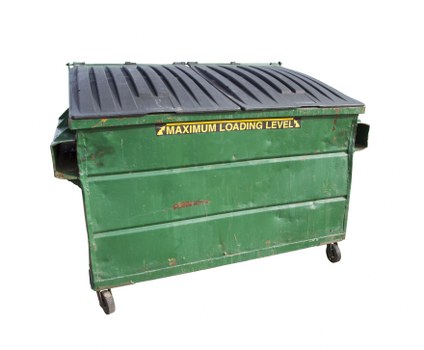
 Commercial Waste Oxted businesses are increasingly prioritising an eco-friendly waste disposal area within their operations. This page outlines how local companies can move from ad-hoc rubbish collection to a resilient, sustainable rubbish area strategy tailored to the Oxted and surrounding Surrey context. The focus is on measurable targets, collaboration with local transfer stations, charity partnerships for reuse, and a low-carbon collection fleet that reduces operational emissions while improving recycling outcomes.
Recycling and Sustainability for Commercial Waste Oxted
The shift to greener operations means setting an ambitious yet practical recycling percentage target: we aim for a 70% recycling and diversion rate by 2030 for commercial waste in Oxted. Achieving this relies on systematic waste separation at source, better segregation of organics, paper, packaging and metals, and creating a clear route for problematic streams such as mixed plastics and WEEE (waste electrical and electronic equipment). Businesses adopting this approach to Oxted commercial waste create tangible environmental and financial benefits.
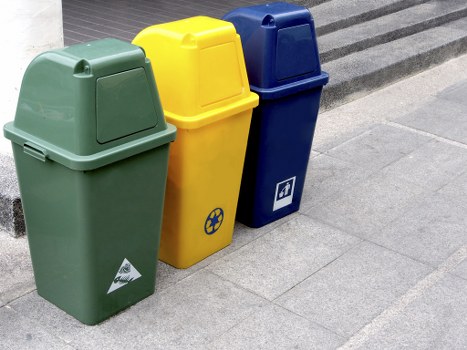 Local policy and borough approaches to waste separation help shape day-to-day practices. Many nearby boroughs support separate food waste collections, dual-stream recycling for glass and cans, and enhanced paper/cardboard capture at business premises. Commercial rubbish Oxted schemes can align with these municipal systems—sorting at the point of generation into organics, dry recycling and residuals—so material is cleaner and more valuable when it reaches transfer stations.
Businesses should know their nearest transfer hubs and how they support an eco-friendly waste disposal area. Local transfer stations in Surrey and adjacent Greater London boroughs manage consolidation and onward transport to recycling facilities and anaerobic digestion plants. Typical services include bulking of segregated recyclables, consolidation of organics, and staging for construction & demolition waste streams. Practical examples of the types of facilities and services your operation may use include:
- Surrey-area transfer hubs handling segregated dry recyclables and organics
- Regional consolidation points for mixed commercial glass and metal
- Specialist depots for WEEE and large bulky items
 Partnerships with local charities and reuse organisations are central to a circular approach. Instead of disposal, surplus office furniture, textiles, and usable equipment can be diverted to community groups and social enterprises that operate within and around Oxted. These collaborations reduce landfill, lower disposal costs, and support local social value. Key activities include scheduled collections for reusable items, donation drop-off coordination, and joint campaigns to promote repair and reuse. Commercial waste in Oxted that is reusable should be assessed first for redistribution before recycling.
To support a sustainable rubbish area, businesses can adopt internal initiatives such as waste audits, staff training and on-site segregation. A clear bin matrix—labelling streams for paper, cardboard, glass, cans, food waste and general waste—ensures higher capture rates. Consider these operational steps:
- Conduct an initial waste audit to identify high-volume streams
- Introduce colour-coded containers and signage for easy separation
- Implement regular staff briefings and visual prompts to sustain behaviour
Fleet decarbonisation is a major lever for lowering the carbon footprint of commercial rubbish Oxted services. Many providers are deploying low-carbon vans and electric vehicles for local rounds, combined with route optimisation software to reduce mileage and idle time. Low-emission vehicles not only cut greenhouse gas emissions but also contribute to quieter, cleaner streets in town centres and business parks.
Low-Carbon Vans and Route Efficiency
 A modern low-carbon fleet approach includes electrified vans for short-radius collections, hybrid units for mixed urban-rural rounds, and the use of telematics to improve efficiency. Businesses looking to partner with a green waste provider should ask about vehicle emissions standards, charging infrastructure plans, and documented mileage reductions from optimised routing. Integrating these measures helps make your commercial waste collection a component of a broader corporate sustainability plan.
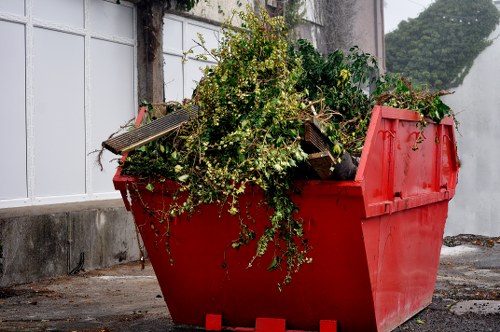
Creating a Lasting Sustainable Rubbish Area
Long-term success depends on embedding reuse and recycling into procurement and operational policies. This means preferring suppliers with recyclable packaging, specifying reusable or returnable containers, and collaborating with charities for scheduled pickup of divertible goods. Commercial waste in Oxted is most effectively reduced when businesses adopt a purchase-to-disposal mindset: buy less single-use, choose durable items, and ensure clear pathways for end-of-life reuse/recycling.
In summary, building an eco-friendly waste disposal area for Oxted businesses requires: a clear recycling percentage target, active use of local transfer stations, strong charity partnerships for reuse, and a commitment to low-carbon vans and smarter logistics. By combining these elements, Oxted's commercial sector can deliver meaningful reductions in waste sent to landfill, cut emissions, and support the circular economy locally.
